Quick Summary
Summarize this article instantly with your preferred AI model.
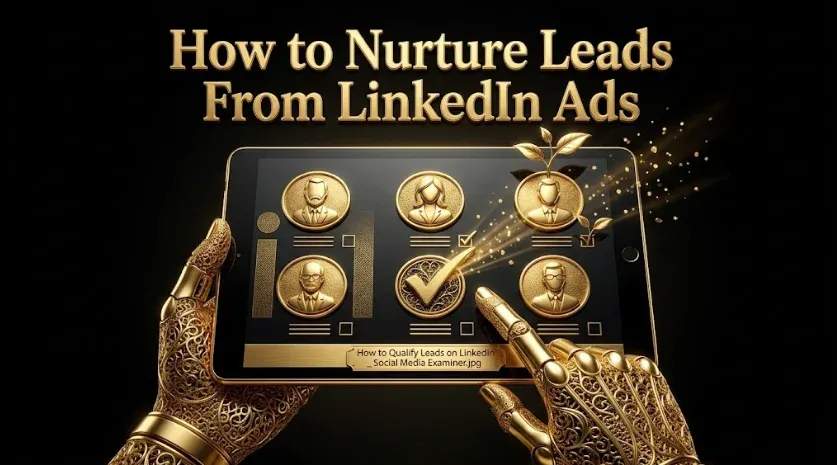
How to Nurture Leads From LinkedIn Ads
How to Nurture Leads From LinkedIn Ads
Capturing a lead on LinkedIn is the start of the work, not the end of it — and treating the form fill as the finish line is why so many LinkedIn programs generate leads that never become pipeline. A LinkedIn lead, especially one from a frictionless Lead Gen Form, is usually early-stage and low-intent: they downloaded something, they didn’t ask to buy. Turning that into revenue takes deliberate nurturing matched to how interested the lead actually is. This guide covers why LinkedIn leads need nurturing, the channels that do it (retargeting, email, sales follow-up), and how to match nurture intensity to lead intent so you don’t treat a report-downloader like a demo-requester.
Key takeaways
- Capturing a lead is the start, not the finish — most LinkedIn leads are early-stage and need nurturing.
- A frictionless form fill is a weak intent signal, so most leads aren’t ready for a sales call yet.
- Nurture through retargeting, email sequences, and sales follow-up — matched to the lead’s stage.
- Match nurture to intent: a content download and a demo request need very different follow-up.
- Speed matters for high-intent leads — and feeding quality signal back improves future targeting.
Why do LinkedIn leads need nurturing?
Because most of them aren’t ready to buy. LinkedIn’s Lead Gen Forms make submitting so easy that a form fill costs the person almost nothing — which means it signals interest in the content, not readiness for a conversation. Someone who downloaded a benchmark report is at the very top of the funnel; treating them like a hot lead and hitting them with a hard sales pitch usually kills the relationship before it starts.
The gap between “captured a lead” and “closed a deal” is where nurturing lives. Without it, you hand sales a pile of early-stage contacts, sales burns through them, quality gets blamed, and the channel gets cut — when the real problem was expecting the lead to be further along than it was.
How do you nurture LinkedIn leads?
Through several channels working together, each suited to a different stage:
Retargeting. People who engaged with your ads or converted on a form can be moved into consideration and conversion campaigns, so you keep building familiarity and trust with paid touches over the sales cycle. This is nurturing that happens on LinkedIn itself.
Email sequences. Leads who gave you their email can enter a nurture sequence that educates, builds trust, and gradually surfaces the sales conversation — pacing the relationship rather than rushing it.
Sales follow-up. Genuinely qualified leads warrant human outreach, and for those, speed matters. But reserve direct sales contact for leads that have shown real intent, not every form fill.
The nurture-by-intent framework
Match the follow-up to how interested the lead actually is:
- Read the intent signal. What did they do? A gated report download is low intent; a pricing-page visit or demo request is high intent. The action tells you the stage.
- Tier your leads. Separate top-of-funnel content leads from mid-funnel engaged leads from bottom-funnel high-intent leads.
- Match the nurture. Low intent gets educational email and retargeting; high intent gets faster, more direct follow-up.
- Move speed with intent. High-intent leads need quick response; low-intent leads need patience, not pressure.
- Feed quality back. Send outcome data (which leads became SQLs) back to LinkedIn so targeting optimizes toward better leads over time.
| Lead source | Likely intent | Nurture approach |
|---|---|---|
| Gated report / guide download | Low, top of funnel | Educational email + retargeting |
| Repeated ad engagement | Mid, warming | Consideration retargeting + nurture email |
| Pricing / demo page visit | High | Fast, direct sales follow-up |
| Demo or contact request | Highest | Immediate sales response |
Why does matching nurture to intent matter so much?
Because mismatched follow-up wastes both good leads and effort. Hit a top-of-funnel content downloader with an aggressive sales sequence and you’ll burn a lead who might have converted with patience. Treat a demo-requester with a slow drip email and you’ll lose a hot lead to a competitor who responded faster. The single most common nurturing failure is applying one follow-up to every lead regardless of stage — usually a hard sales push, because that’s what the form fill was assumed to justify. Reading the intent signal and pacing your response to it is what turns early-stage LinkedIn leads into pipeline instead of into complaints from sales.
How does nurturing connect to lead quality?
It’s the other half of the lead-quality equation. Better targeting reduces how many low-intent leads you generate; better nurturing improves how many of the leads you do generate convert. The two work together: you tighten targeting to raise average intent, and you nurture properly to develop the intent that’s there. And feeding outcome data back to LinkedIn closes the loop — as the system learns which leads became qualified, it optimizes toward more of them, so nurturing and targeting improve each other over time. Judging the whole system on cost per lead misses this; judge it on how many leads become qualified pipeline after nurturing.
Frequently Asked Questions
Q1. How do you nurture leads from LinkedIn Ads?
Through retargeting, email sequences, and sales follow-up, matched to how interested each lead is. Move engaged leads through consideration and conversion campaigns with paid touches, run educational email for top-of-funnel leads, and reserve fast, direct sales outreach for high-intent leads. Capturing the lead is the start of the work, not the end.
Q2. Why do LinkedIn Ads leads need nurturing?
Because most are early-stage. Lead Gen Forms make submitting so easy that a form fill signals interest in your content, not readiness to buy. Someone who downloaded a report is top-of-funnel, so treating them like a hot lead with a hard pitch kills the relationship. Nurturing bridges the gap between captured and closed.
Q3. Are LinkedIn Ads leads low quality?
They’re often early-stage rather than low quality — the frictionless form fill attracts people interested in the content who aren’t yet ready for a sales conversation. That’s manageable with proper nurturing and targeting. The mistake is expecting them to be sales-ready; with the right follow-up matched to intent, early-stage leads develop into pipeline.
Q4. How do you follow up on LinkedIn lead form submissions?
Match the follow-up to the intent behind the submission. A gated content download gets educational email and retargeting; a demo or pricing-related lead gets fast, direct sales outreach. Don’t apply the same aggressive sales sequence to every form fill — read what the lead actually did and pace your response to their stage.
Q5. Should you send LinkedIn leads straight to sales?
Only the genuinely qualified, high-intent ones — a demo request or pricing-page visitor warrants quick sales contact. Sending every form fill, including top-of-funnel content downloads, straight to sales burns leads that needed nurturing and generates complaints about quality. Qualify first, then route high-intent leads to sales and nurture the rest.
Q6. How do you retarget leads from LinkedIn Ads?
Build audiences of people who engaged with your ads or converted on a form, then move them into consideration and conversion campaigns with follow-up offers. This keeps building familiarity and trust with paid touches over the sales cycle, nurturing leads on LinkedIn itself alongside email and sales outreach.
Q7. How fast should you respond to LinkedIn Ads leads?
Speed should scale with intent. High-intent leads — demo requests, pricing interest — need fast response, since delay loses them to faster competitors. Low-intent leads, like content downloaders, need patience rather than pressure; rushing them with sales contact backfires. Read the intent signal and respond quickly where it’s warranted, slowly where it isn’t.
Q8. How does lead nurturing affect LinkedIn Ads ROI?
Significantly. Nurturing develops the early-stage leads LinkedIn generates into pipeline, which is where the return actually comes from — without it, leads stall and the channel looks like it failed. Feeding outcome data back also improves targeting over time. Judge LinkedIn on qualified pipeline after nurturing, not on cost per lead at capture.
More Featured Blogs
View All Blogs
LinkedIn Ad Character Limits: The Reference for Every Format


LinkedIn Conversions API: What It Is and How to Set It Up
LinkedIn Ads Billing: How You Get Charged and How to Control It